When to Install New Gutters vs. Replace Existing Ones on Your Home
When deciding whether to install new gutters or replace existing ones, local service providers can assess your home and recommend the best solution.
Understanding when to install new gutters versus replacing existing ones is a common concern for property owners looking to protect and enhance their homes. If your current gutters are showing signs of significant damage, such as sagging, leaks, or persistent clogs that can't be fixed through repairs, it may be time to consider a full replacement. Local contractors who specialize in gutter installation can assess your home's specific needs and recommend the most practical solution, ensuring your property remains well-protected against water damage and foundation issues.
For homeowners with relatively intact gutters that have simply experienced wear over time, installing new gutters might be a suitable option to improve performance and curb appeal. Factors like outdated materials or minor damage can often be addressed through professional installation of updated systems. Connecting with experienced service providers in the area can help determine whether a repair or a full replacement aligns best with your property's condition, providing a reliable solution that fits your needs.
- Installing new gutters may be necessary when existing gutters are severely damaged or beyond repair, and local contractors can assess the extent of wear to recommend the best solution. Replacing existing gutters is often advised when current systems are outdated or have persistent leaks that cannot be effectively repaired, with service providers specializing in seamless replacement options. Installing new gutters can be the right choice if existing gutters are improperly pitched or clogged frequently, as local pros can install properly aligned systems for optimal drainage. Replacing existing gutters is suitable when the current gutters are corroded or sagging, and local contractors can remove old systems and install durable new ones. Installing new gutters might be needed if the home’s structure has changed, such as after renovations, with local service providers customizing solutions to fit new designs.
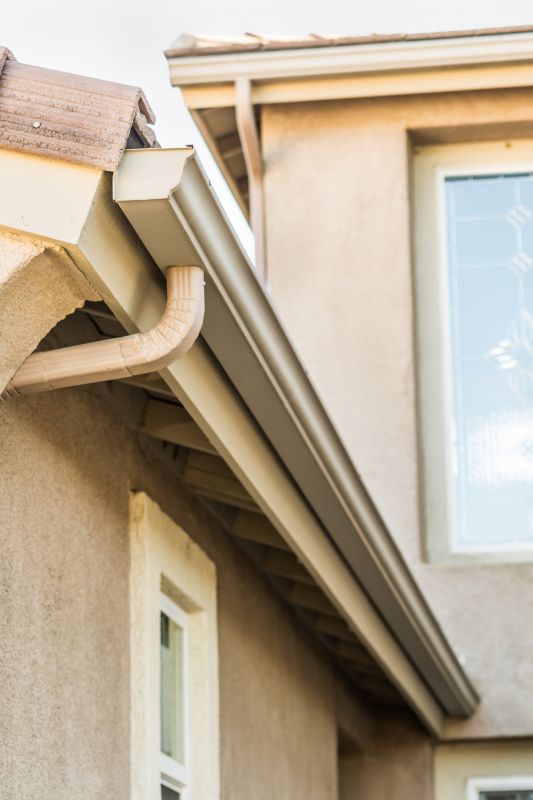
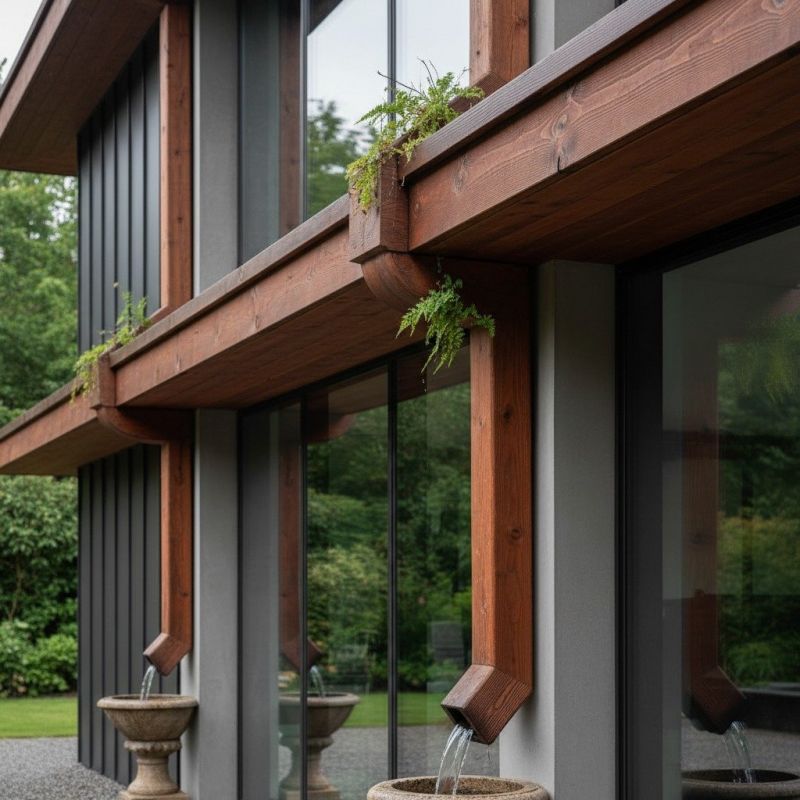
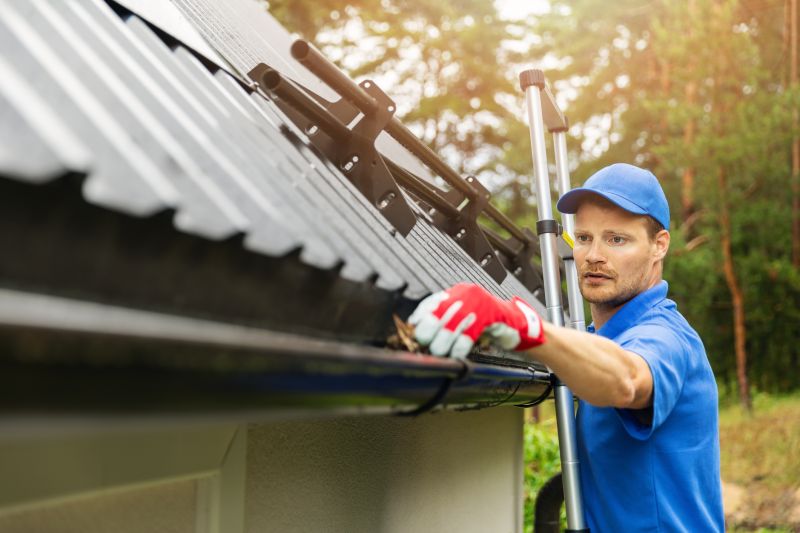
When homeowners search for when to install new gutters vs. replace existing ones on their home, they are typically trying to determine the most appropriate solution for ongoing or developing issues with their gutter system. This question often arises during periods of visible damage, such as sagging, leaks, or overflowing, which can lead to water damage or foundation problems if not addressed. Many property owners are also planning upgrades or renovations that include new roofing or siding, prompting them to consider whether their current gutters are still effective or if a complete replacement is necessary. Understanding these concerns helps homeowners decide whether a simple installation of additional gutters or repairs will suffice, or if a full replacement will better serve long-term needs.
Problems related to old or damaged gutters often include leaks, rust, sagging, or detached sections, which can compromise the entire drainage system. When searching for guidance, homeowners are usually trying to figure out if their existing gutters can be repaired or if they need to be replaced altogether. This decision can also be influenced by the age of the current gutters; older systems made from materials like aluminum or vinyl may become brittle or corroded over time, making repairs less effective. Additionally, property owners with larger or more complex rooflines might find that their current gutters no longer provide adequate coverage or proper flow, leading to water pooling or damage. These issues are common on a variety of property types, from single-family homes and townhouses to multi-story residential buildings.
The types of properties that often come up in discussions about gutter replacement include residential homes with multiple stories, homes with complex roof designs, and older properties where the existing gutter system has seen significant wear. Homes located in areas prone to heavy rainfall or with large roof surfaces may experience more frequent gutter problems, prompting a need for professional advice on whether to install new gutters or replace existing ones. Commercial properties and multi-unit residential buildings also face similar concerns, especially when existing systems are outdated or no longer meet current drainage needs. For property owners, understanding the specific requirements of their property type helps determine whether a straightforward gutter installation or a complete replacement is the best course of action.
Deciding between installing new gutters and replacing existing ones involves assessing the condition of the current system and considering future needs. Local service providers can evaluate the extent of damage, material condition, and overall performance of existing gutters to recommend the most effective solution. For homeowners planning renovations or experiencing ongoing issues, professionals can help determine if a new installation will improve drainage and protect the property or if a full replacement will provide a more durable, long-term fix. This decision is rooted in practical considerations about the property's structure, the severity of existing damage, and the goals for maintenance or upgrade projects. Connecting with experienced local contractors ensures that the right choice is made based on the specific needs of the property and its drainage system.
Gutter cleaning services - these projects require similar skills and tools to assess gutter condition and determine if repair or replacement is necessary based on wear and damage.
Roof inspection and repair - inspecting roofing systems involves evaluating how roof condition impacts gutter performance, which helps inform whether to install new gutters or replace existing ones.
Soffit and fascia repair - working on these components often involves handling gutter attachments and assessing structural integrity, relevant when deciding on gutter replacement.
Downspout installation and repair - installing or fixing downspouts is closely related, as proper drainage is essential when evaluating if existing gutters can be repaired or need replacing.
Exterior home siding repair - projects that involve exterior repairs often require gutter assessment to prevent water damage and determine if new gutters are needed.
Waterproofing and drainage solutions - these services focus on managing water flow around a home, aligning with decisions about installing new gutters versus replacing existing systems.
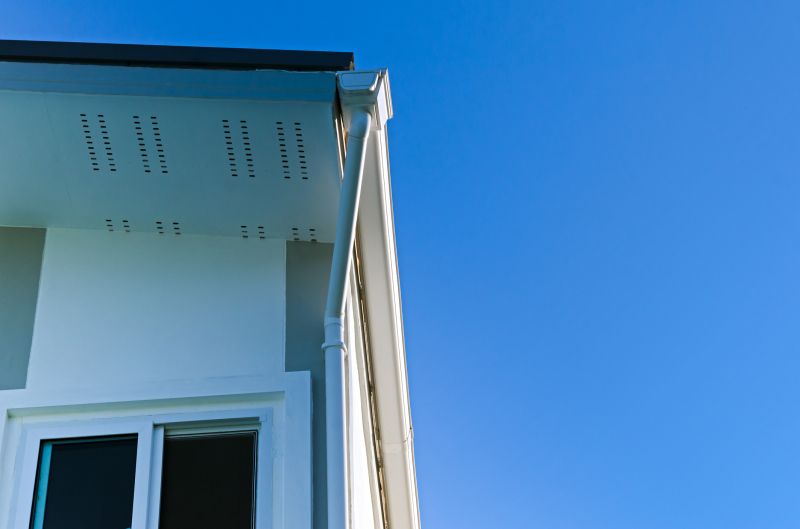
When comparing service providers for new gutters installation, it is important to consider their experience with similar projects. Homeowners should inquire about how many installations they have completed that resemble their specific needs, such as replacing existing gutters or installing new ones on homes with similar architecture or roof types. A contractor’s familiarity with these types of projects can indicate their ability to handle the nuances and challenges that may arise, ensuring a smoother process and a more reliable outcome.
Clear written expectations are essential when evaluating local contractors. Homeowners should seek detailed proposals that outline the scope of work, materials to be used, and the projected timeline. This transparency helps prevent misunderstandings and ensures that both parties are aligned on the project's objectives. When comparing options, it’s also helpful to review how well the service providers communicate during initial discussions, as good communication often reflects their professionalism and dedication to customer satisfaction.
Reputable references and strong communication are key factors in selecting a dependable contractor. Homeowners should ask for references from previous clients who had similar gutter projects completed. Speaking with past customers can provide insights into the contractor’s reliability, quality of work, and responsiveness. Additionally, choosing service providers who demonstrate clear and consistent communication during the inquiry process can lead to a more positive experience, as they are more likely to keep homeowners informed and address questions or concerns promptly throughout the project.
Property owners often search for when to install new gutters vs. replace existing ones on your home when they are planning practical projects around their homes and businesses. Local pros provide New Gutters Installation services for everyday jobs and straightforward project options.
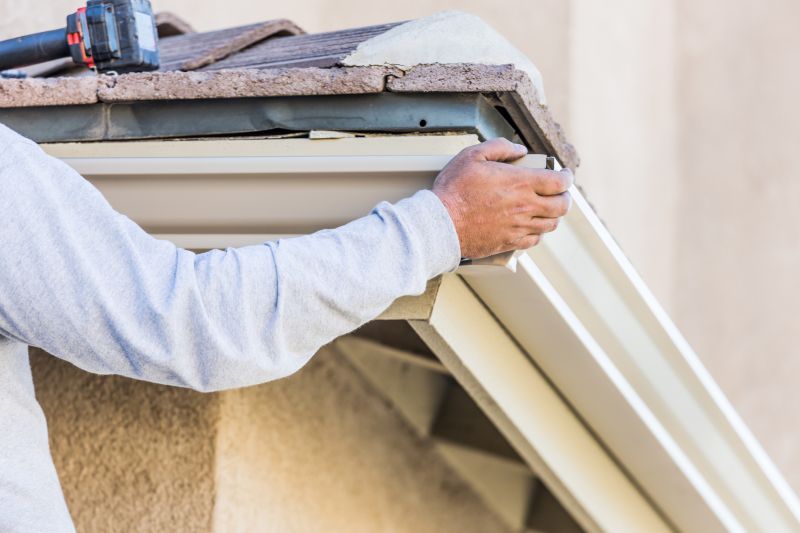
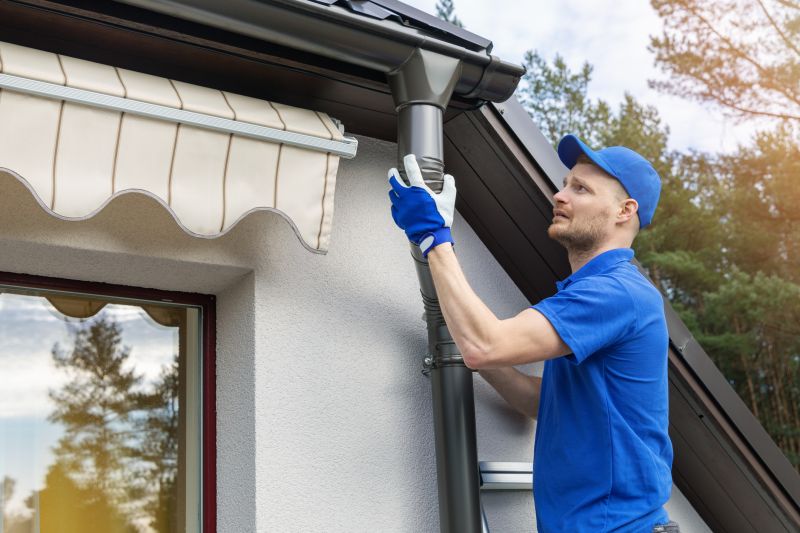
Understanding when to install new gutters versus replacing existing ones is a common concern for property owners seeking to maintain their home's exterior. If gutters are showing signs of severe damage, such as extensive rust, sagging, or detached sections, it may be time to consider a full replacement. Local contractors can assess the condition of existing gutters and determine whether a new installation is the best solution, especially if repairs would be extensive or unlikely to hold up over time. Homeowners often look into new gutter installation services when they want to improve drainage efficiency or update their home's appearance, making it a practical choice for those wanting to enhance functionality and curb appeal simultaneously.
In situations where gutters are relatively intact but have become outdated or less effective due to age, local service providers can help evaluate whether a replacement is necessary or if repairs might suffice. For example, if gutters are still structurally sound but have become clogged or misaligned, repairs or minor upgrades could extend their lifespan. However, if gutters are nearing the end of their typical service life or have persistent issues that repairs can't address, a complete new installation might be the better long-term investment. Property owners often seek out new gutter installation services to ensure their home is protected from water damage and to achieve a more modern look, especially when existing gutters no longer meet their needs.
When should I consider installing new gutters instead of replacing existing ones? If your current gutters are outdated, damaged beyond repair, or have persistent leaks, installing new gutters may be the best option. Local contractors can assess the condition of your existing gutters and advise on the most suitable solution.
How can I tell if my existing gutters need to be replaced rather than repaired? Signs such as severe rust, sagging, extensive cracks, or detached sections indicate that replacing gutters is more effective than repairs. Service providers can evaluate your gutters to determine if replacement is necessary.
Are there benefits to installing new gutters instead of repairing old ones? Installing new gutters can improve overall performance, prevent ongoing issues, and enhance the appearance of your home. Local pros can help decide if a new installation offers better long-term value than repairs.
What factors influence the decision to replace existing gutters versus installing new ones? The age, material condition, and extent of damage are key factors. An experienced contractor can assess these aspects to recommend whether repair, partial replacement, or a full new installation is appropriate.
How do I know if my home needs new gutters or just maintenance on existing ones? If your gutters are clogged, loose, or showing minor damage, maintenance might suffice. However, if they are severely corroded or structurally compromised, a new gutter installation by local service providers may be recommended.
Assessing gutter condition - Regularly inspecting existing gutters can help determine if they are damaged or worn out, indicating when replacement might be necessary.
Evaluating age and wear - When gutters are approaching or exceeding their expected lifespan, installing new gutters with the help of local contractors can ensure continued protection.
Considering home updates or renovations - Upgrading your home or adding features like new siding may prompt the installation of new gutters to match the updated exterior.
Identifying drainage issues - Persistent water overflow or pooling around the foundation can signal the need to replace existing gutters with new, more effective systems installed by local experts.
If you are thinking about when to install new gutters vs. replace existing ones on your home for a property, this guide is meant to help you understand this topic, the typical project types, and how different options might fit your plans.
When you are ready, you can use the quote form on this page to share a few details about your project. From there, local pros can review the basics and follow up with options that match what you have in mind.